
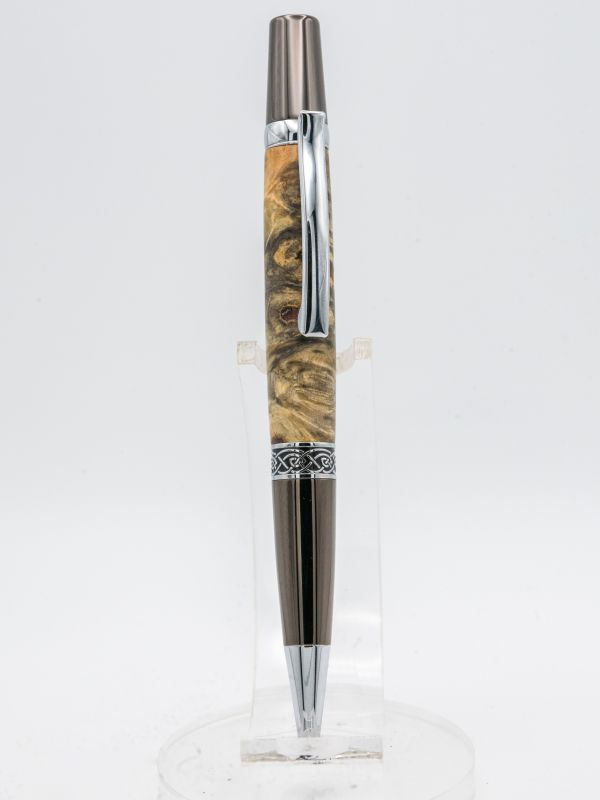
Hand Turned Pens
Why Hand-Turned Pens?
The story behind these pens is one of travel, discovery, and craftsmanship. For years, I've been passionate about photography, and more recently, I've found equal joy in woodturning at my small workshop. While I've created bowls, bottle openers, and various turned pieces as gifts, it was a chance encounter in Namibia that sparked something new.
Read More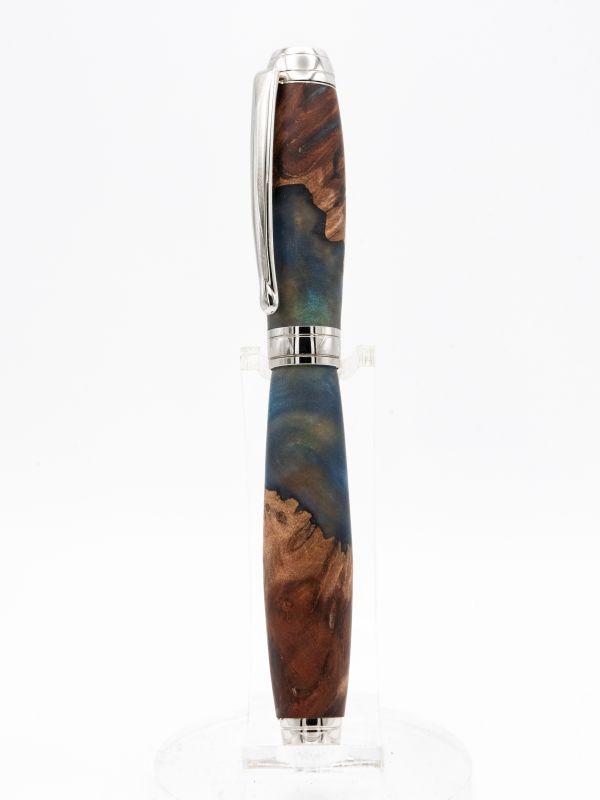

Background Story
During a visit to a small Namibian town earlier this year, I met a local carpenter working with Camelthorn, a beautiful native wood. I knew immediately I wanted to create something from it back home, but practical considerations ruled out larger pieces. That's when the idea of pen-making took hold. Pens are perfectly portable, and even in our digital age of Apple Notes and smartphones, people still appreciate the feel of a quality writing instrument.
I sourced Namibian Camelthorn and Rosewood, and discovered I loved both the craft itself and the joy these pens brought to friends who had shared the Namibian journey with me. Since then, each pen has become a connection to a place and time: American Redwood Burl for my wife's uncle after our Montana trip, Irish Bog Oak, Jerusalem Olive, and many others.
Most recently, during a trip to Bhutan, I brought back Himalayan Yew that would otherwise have been burned as firewood. I've transformed it into ten pens for my fellow travelers—each one a genuine souvenir of that extraordinary experience.
Now I'm excited to share these pieces more widely. Each pen I create carries the character of its wood and the story of its origin. As I continue to travel, I'll seek out unusual woods and burls, creating unique pieces that connect you to distant places and the natural beauty found there.
My Commitment to Sustainable Sourcing
At the heart of my pen-making practice is a deep commitment to environmental responsibility and sustainable craftsmanship. I believe that creating beautiful, functional art shouldn't come at the expense of our forests and natural resources.
Sustainable Sourcing Practices:
Reclaimed and Salvaged Materials: Whenever possible, I source scrap and reclaimed woods, giving new life to materials that might otherwise go to waste. This includes wood from fallen trees, salvaged timber from old furniture, and offcuts from other woodworking projects.
Responsibly Harvested Wood: When reclaimed materials aren't available, I ensure that any new wood comes from sustainably managed forests with proper certification, supporting forestry practices that protect our environment for future generations.
Local Sourcing: I prioritize working with local suppliers and timber sources wherever possible, reducing transportation emissions and supporting the local economy while maintaining quality standards.
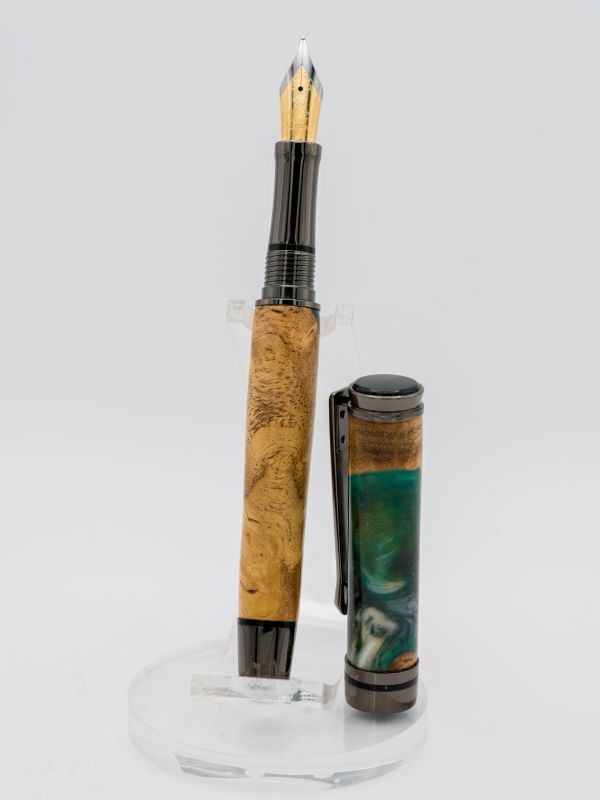
Maximum Material Utilization: I strive to use every part of each wooden blank, minimizing waste. This philosophy often results in creative mixed-media designs where the pen body showcases beautiful wood while the cap or other components feature complementary materials like resin or acrylic.
Built to Last: Each pen is crafted for durability and longevity. These aren't disposable items—they're heirloom-quality writing instruments designed to be used and cherished for decades, reducing the need for replacement and further consumption.
By choosing one of my handcrafted pens, you're not just acquiring a beautiful writing instrument—you're supporting sustainable practices and mindful craftsmanship.
As a member of the International Association of Penturners I have access to a large knowledge base which allows me to develop new concepts and products.